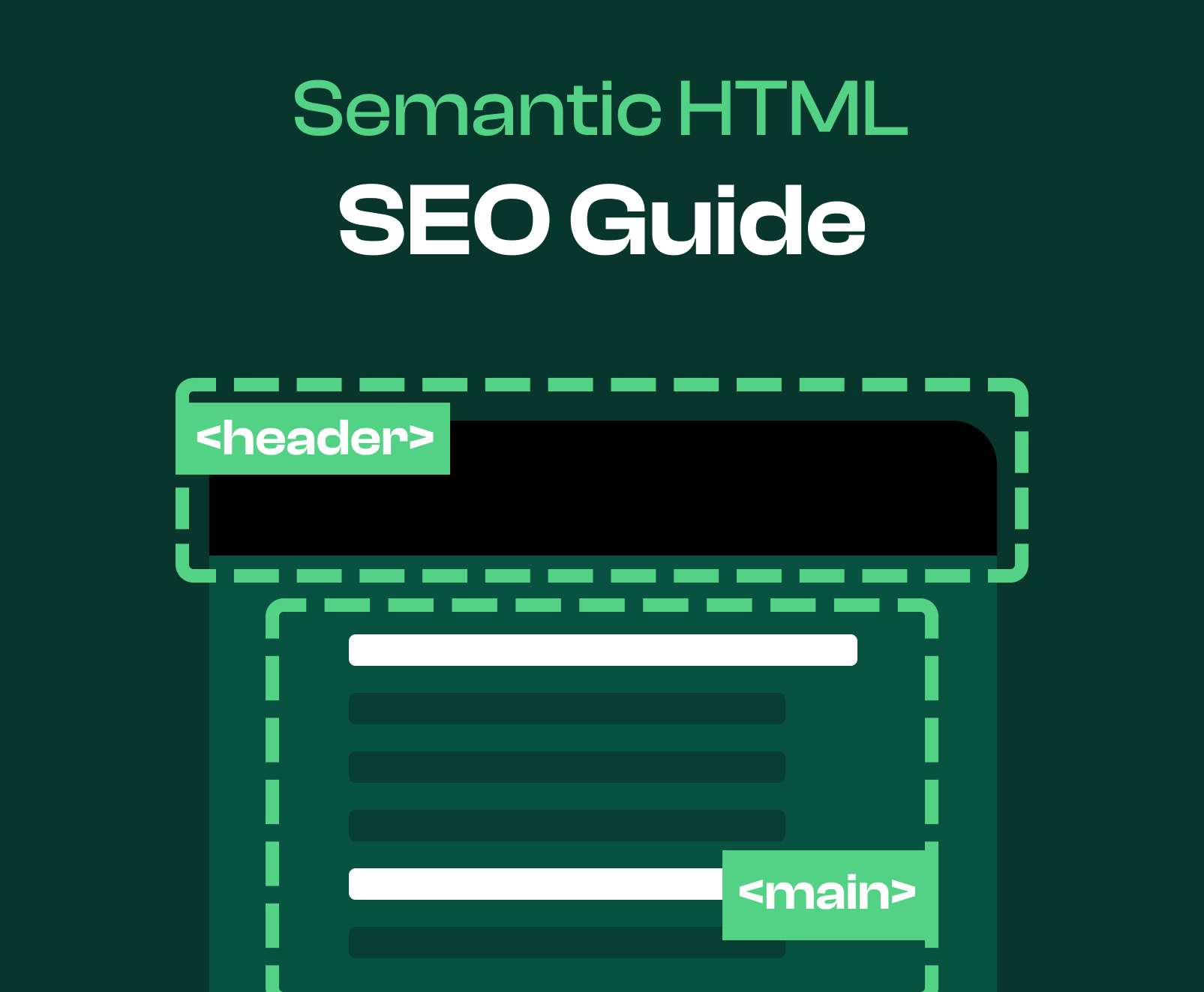
Semantic HTML refers to HTML that describes meaning rather than presentation. Instead of relying on divs for everything, semantic tags describe the type of content they contain. Search engines, AI systems, screen readers, and users all benefit from a clear semantic HTML structure because it provides context and relationships between different sections of a page. When your code reflects the actual purpose of each element, search engines can interpret your content more accurately, understand its hierarchy, and determine which parts are important.
Why Is Semantic HTML Important To SEO?
Semantic HTML tags helps search engines more easily discern and interpret the content on your website. Modern search and AI-driven models prefer content that is easier to parse, categorize, and summarize. Clean semantics give crawlers clearer boundaries between topics, sections, and intent. This j, enhances rich result eligibility, and strengthens the perceived topical relevance of your page. A well-structured document also supports accessibility and improves user experience, which indirectly contributes to ranking signals such as engagement and clarity. Semantic HTML is not about decoration. It is about giving search engines reliable cues so your content is easier to evaluate and trust. Semantic HTML is one of the fundamentals of technical SEO, and should always be leveraged whenever possible, as still today, most are not aware of nor implementing this form of optimization.
What Are Semantic HTML Tags?
Semantic HTML tags are HTML tags that communicate purpose. Rather than acting as generic containers, they signal the role the content plays within the page. These tags help search engines identify introductions, main content, navigation, side information, supporting media, and other structural components. When search systems can recognize these pieces naturally, they can evaluate the importance of each section in relation to the rest of the page.
Why Are Semantic HTML Tags So Important?
Semantic tags create a predictable pattern that both humans and machines understand. When crawlers see a header, a main section, a navigation area, or an article region, they can categorize content more quickly and confidently. This reduces ambiguity and helps AI models form accurate summaries, pull snippets, generate structured responses, and distribute ranking weight appropriately. Strong semantics eliminate confusion and help ensure your most valuable content receives proper emphasis.
Semantic HTML Elements
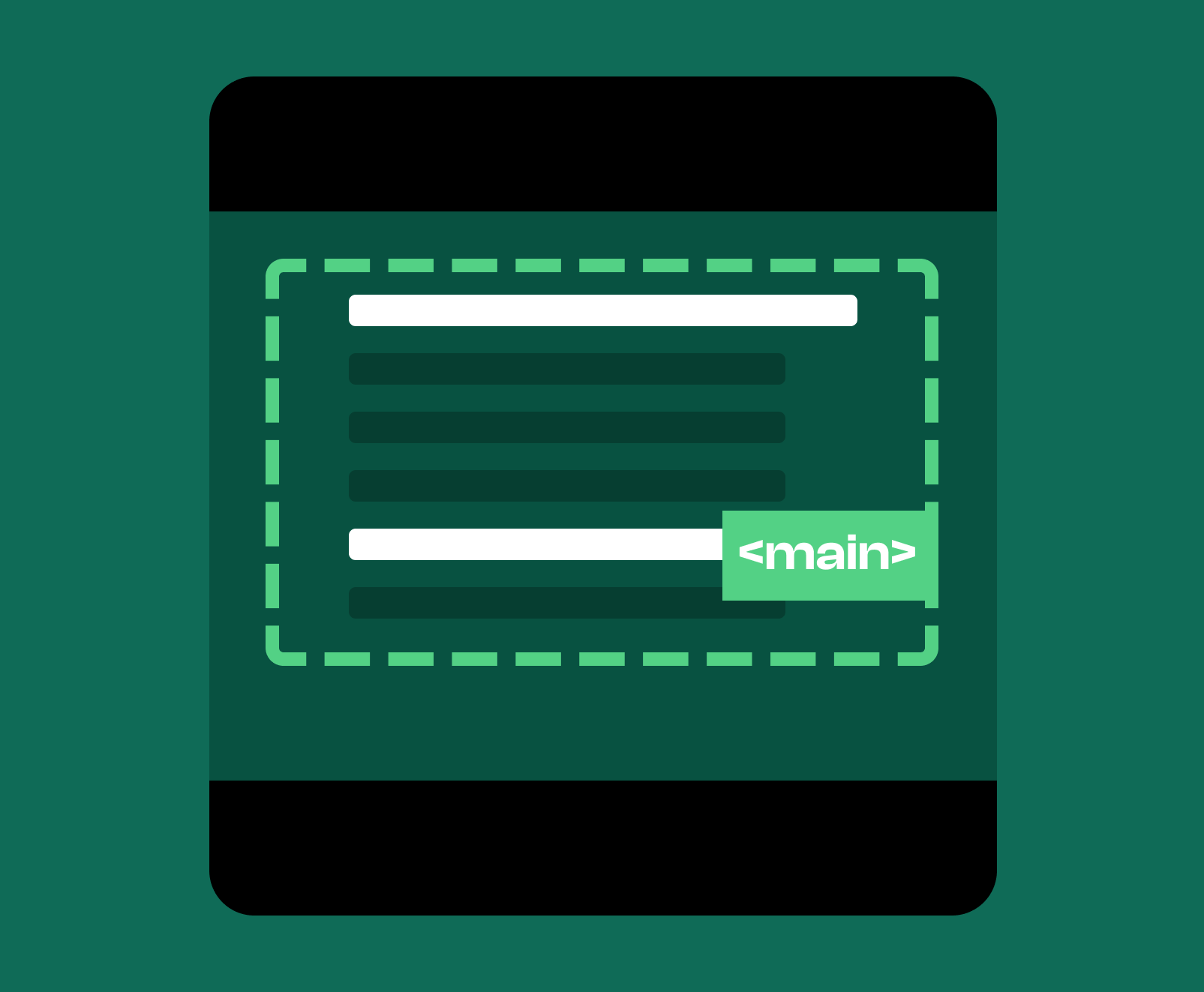
HTML <main> Element
The main element identifies the central, unique content of a page. It signals to search engines and accessibility tools what the primary topic of the page is, improving clarity around what should receive the most ranking weight.
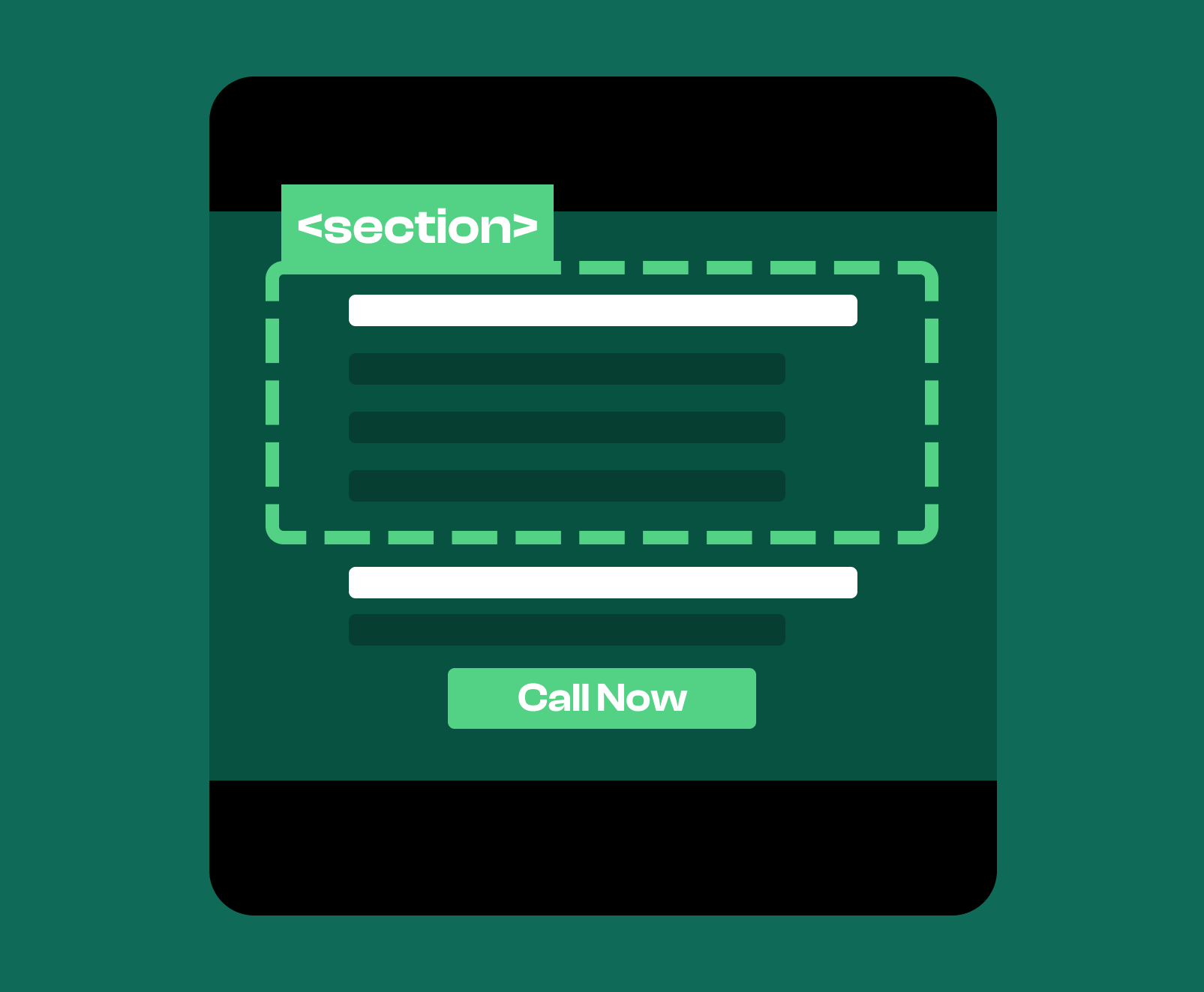
An image showing the
HTML <section> Element
The section element defines a thematic grouping of content. It represents a logical block inside the document, usually with a heading that introduces what the section covers. Sections help define the overall content structure so search engines can understand the page hierarchy.
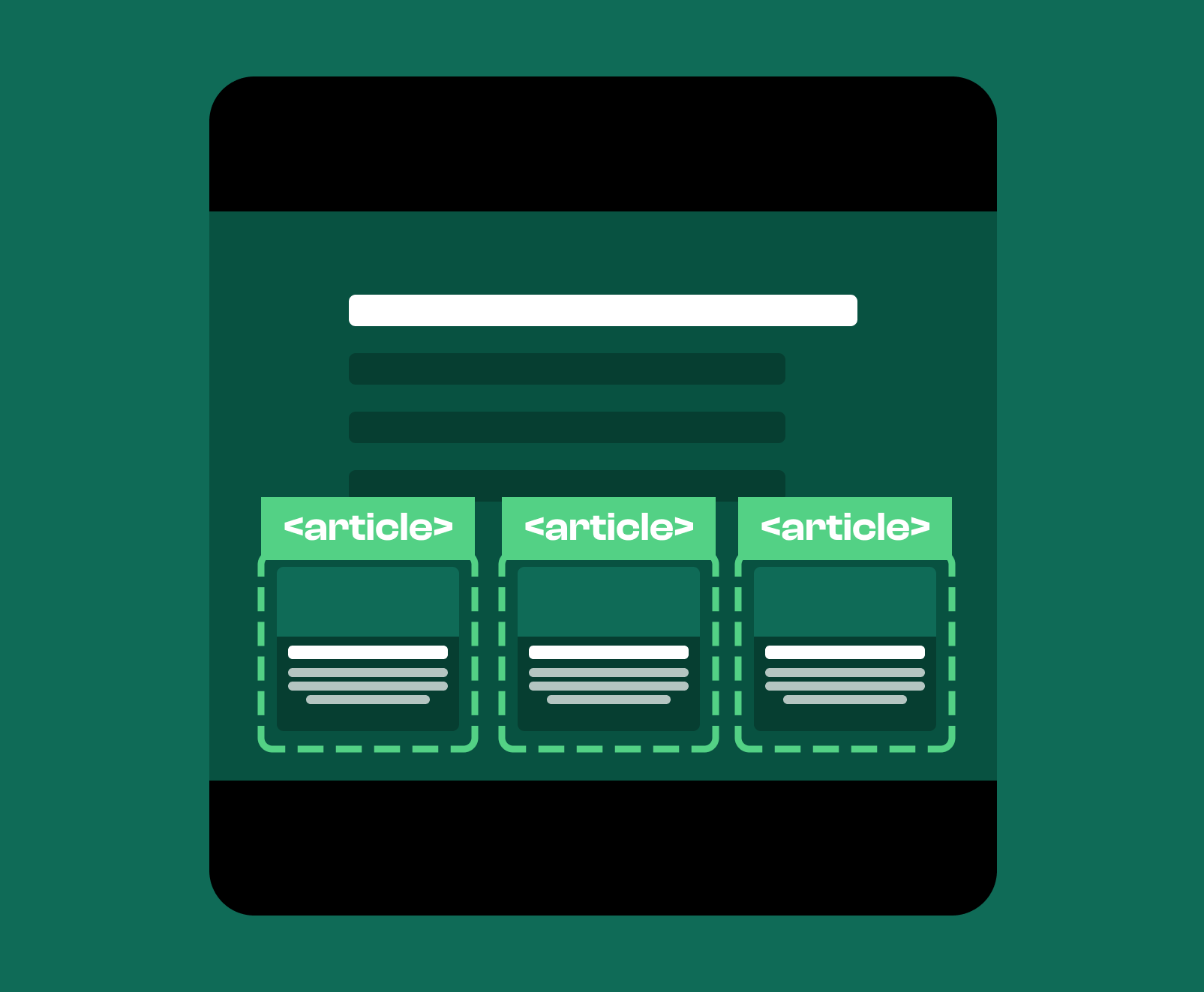
HTML <article> Element
The article element represents a standalone piece of content that could be distributed independently. Articles are commonly used for blog post previews, news stories, or any self-contained unit that has an internal logic separate from the page around it. You’ll see these most often on editorial sites, blog hub pages that showcase various blog posts, etc.
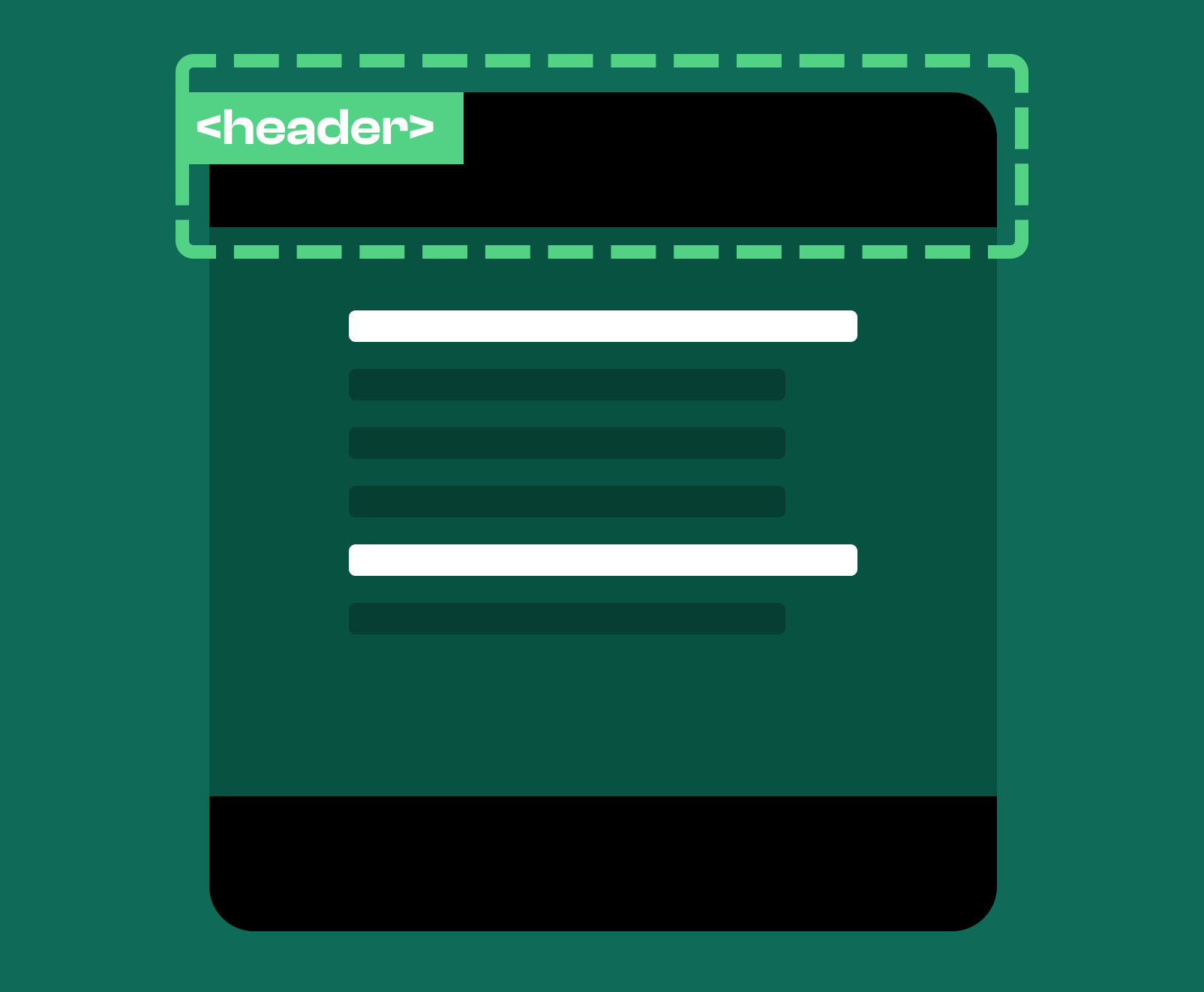
HTML <header> Element
The header element provides introductory content or navigation related to the section it belongs to. Headers help define the beginning of a topic and often contain key identifiers like headings, summaries, or structural cues.

HTML <footer> Element
The footer element marks the end of a document or section. It commonly contains metadata, navigation, authorship, or contextual information relevant to the enclosure it ends.
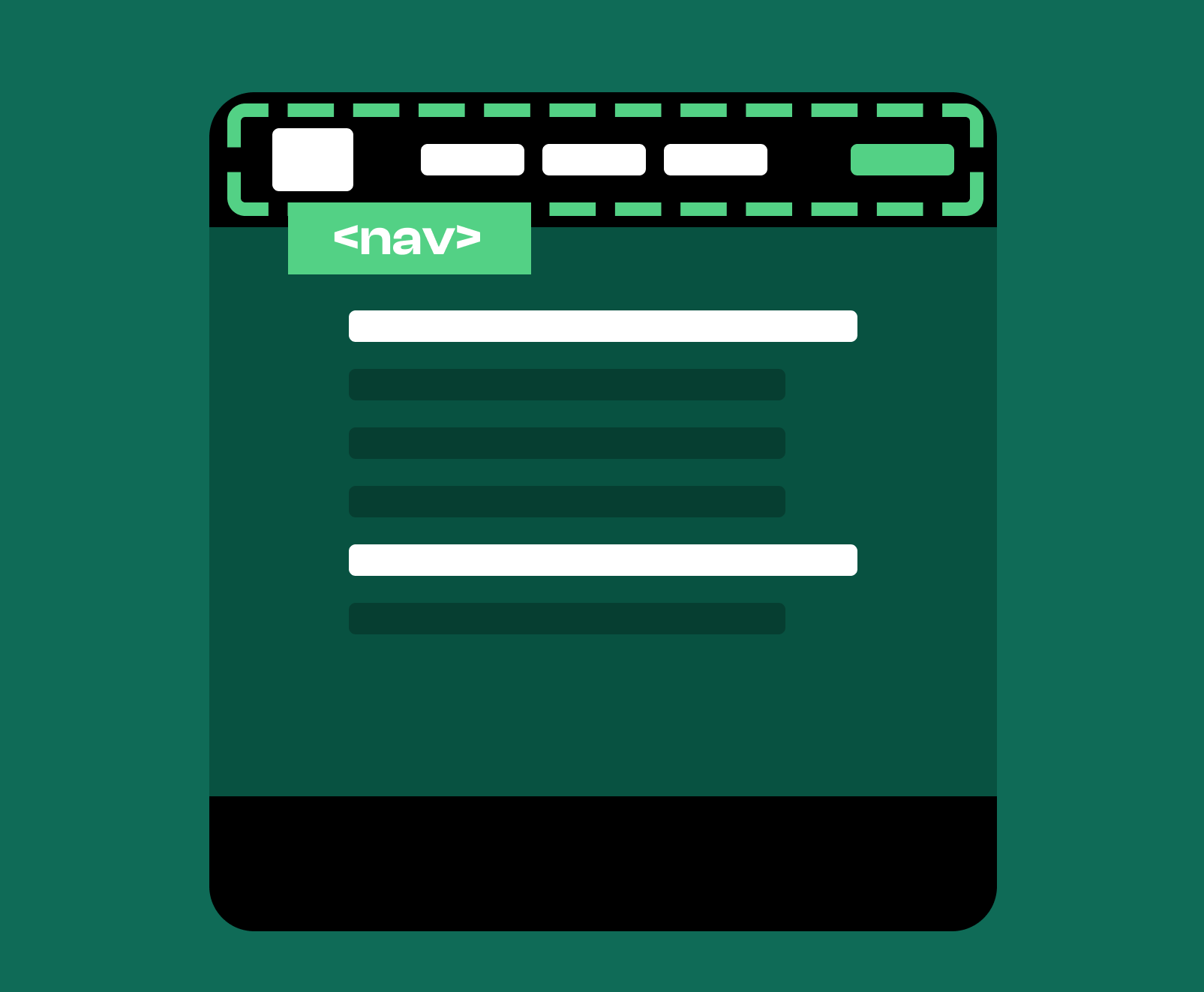
HTML <nav> Element
The nav element indicates a major block of navigational links. It helps search engines understand which parts of your page guide visitors through your site rather than provide core content.
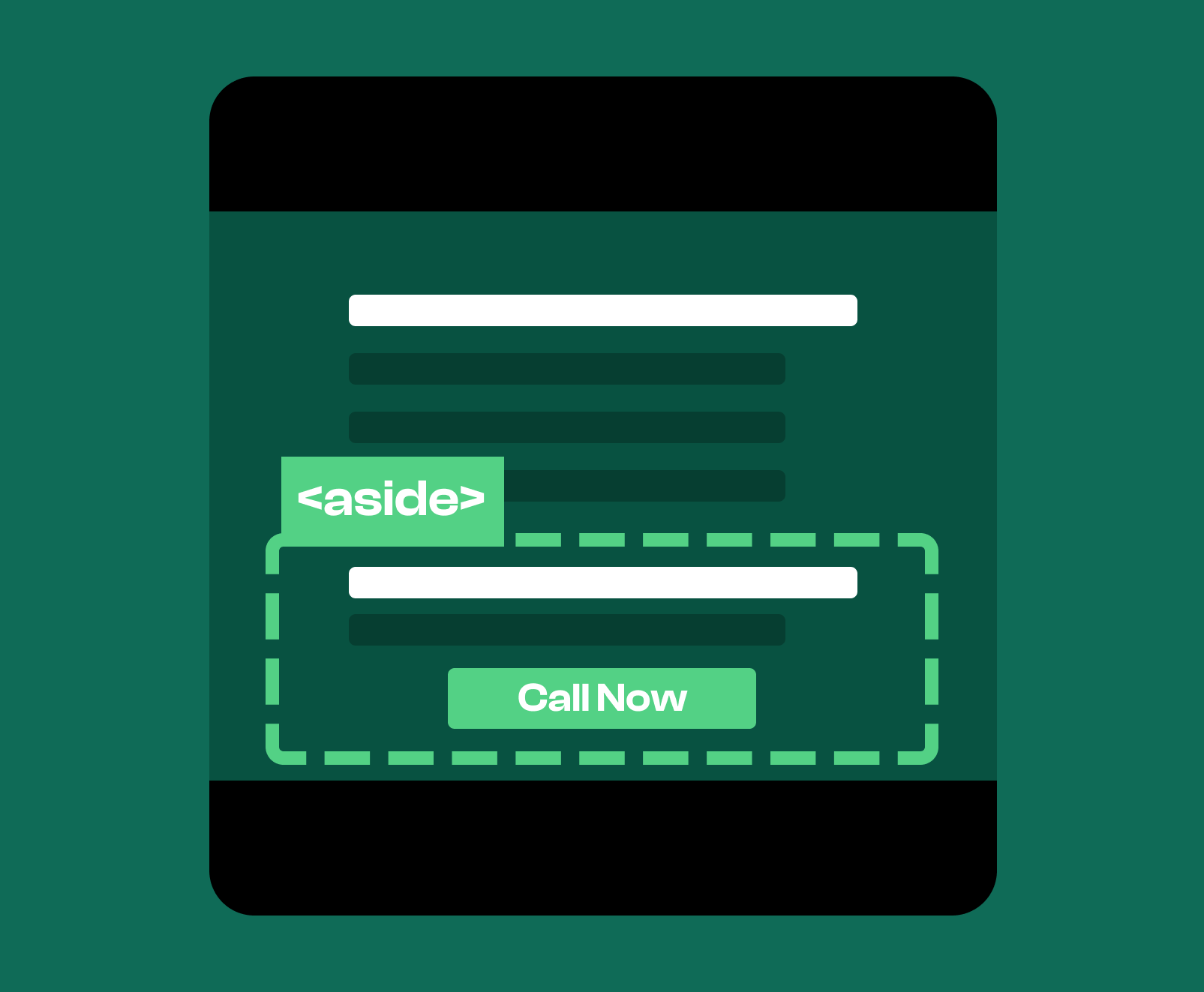
HTML <aside> Element
The aside element contains content that is related to the main content but not essential to its primary flow. This helps crawlers separate supplemental information from the central topic.
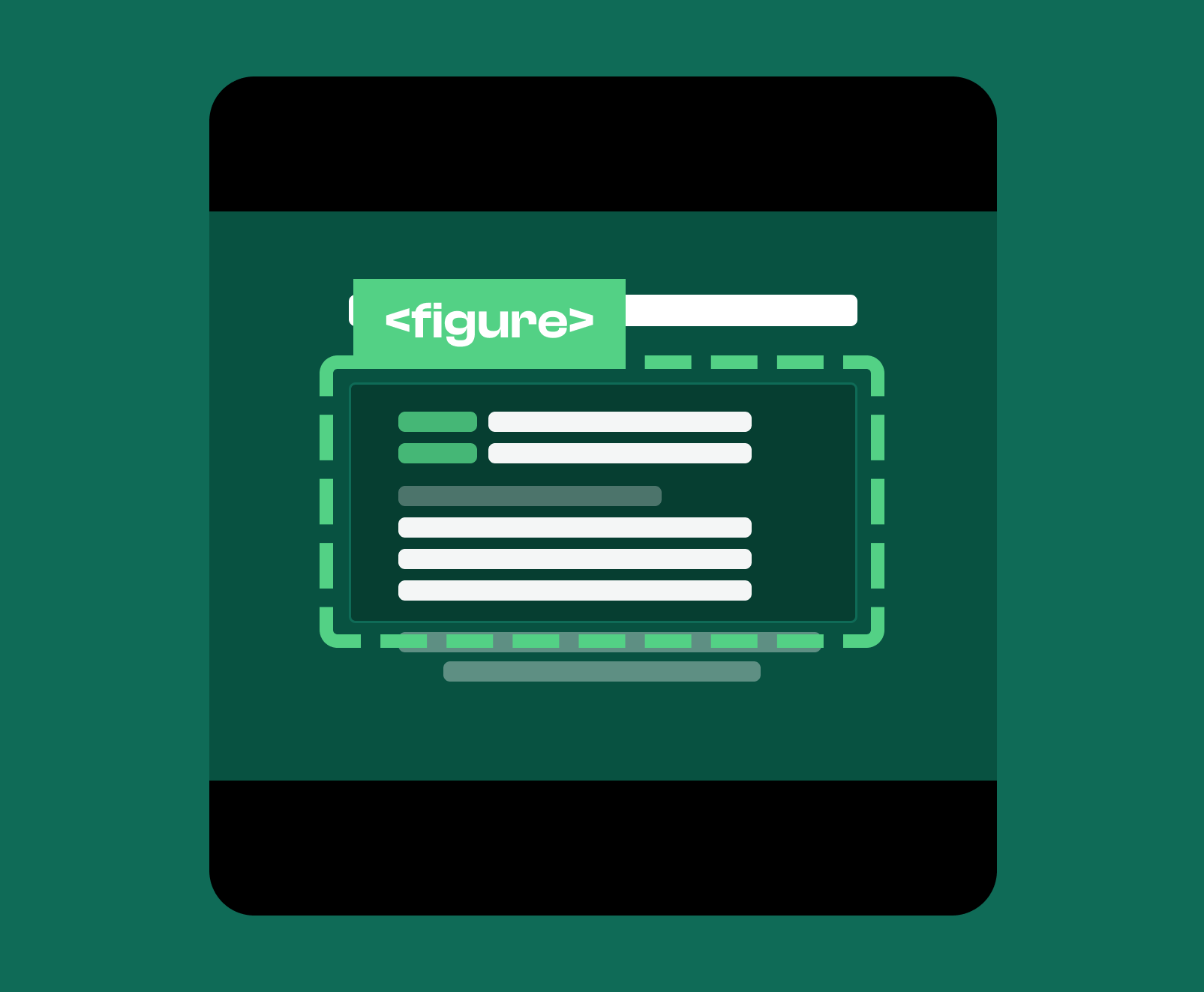
HTML <figure> Element
The figure element is used for images or other media that support the main content. It often pairs with captions and helps search engines identify visual media and the context in which it appears.
HTML <figcaption> Element
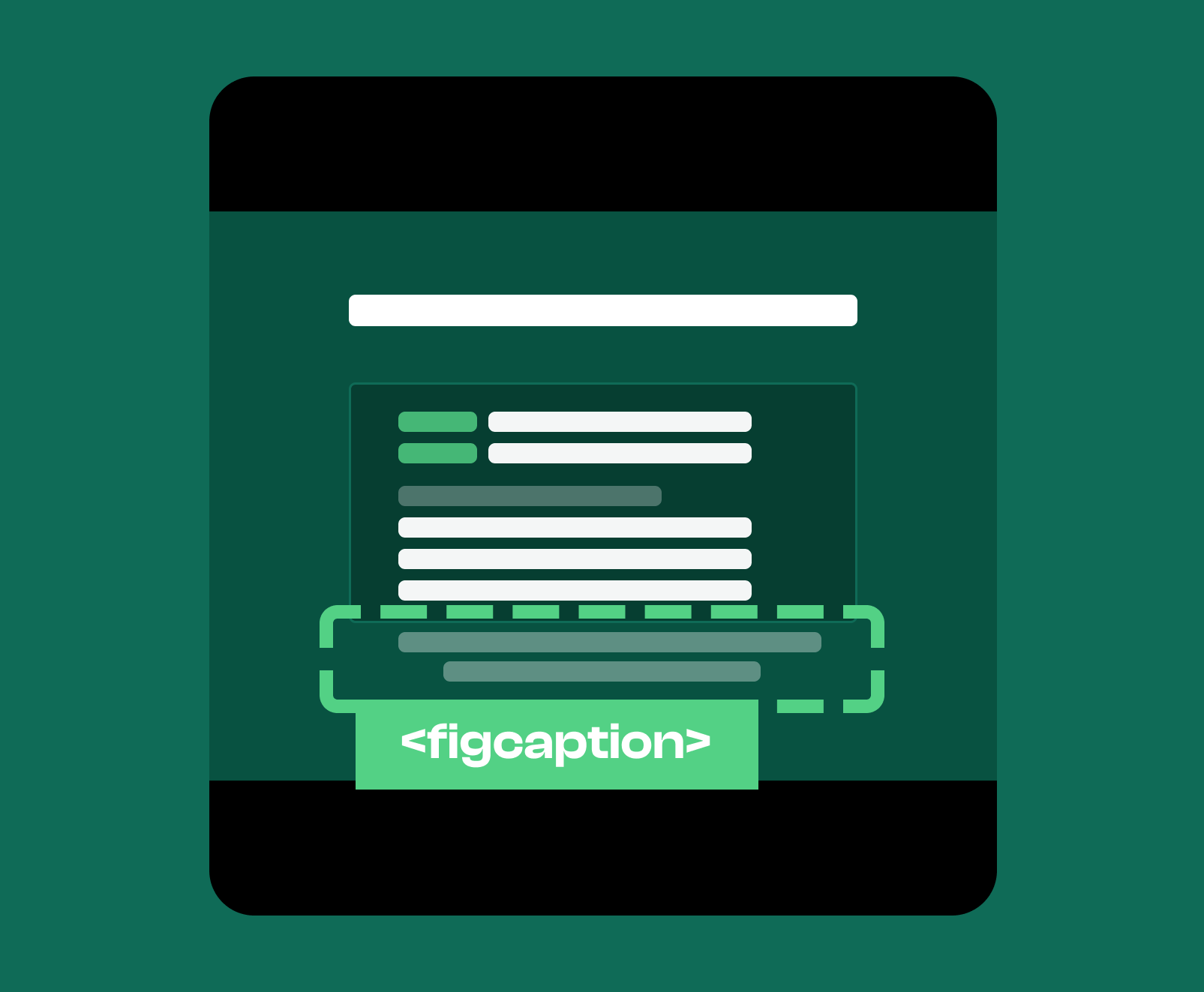
The figcaption element provides a textual explanation for a figure. This helps search engines interpret the meaning of images, illustrations, diagrams, or other visuals.
HTML <details> Element
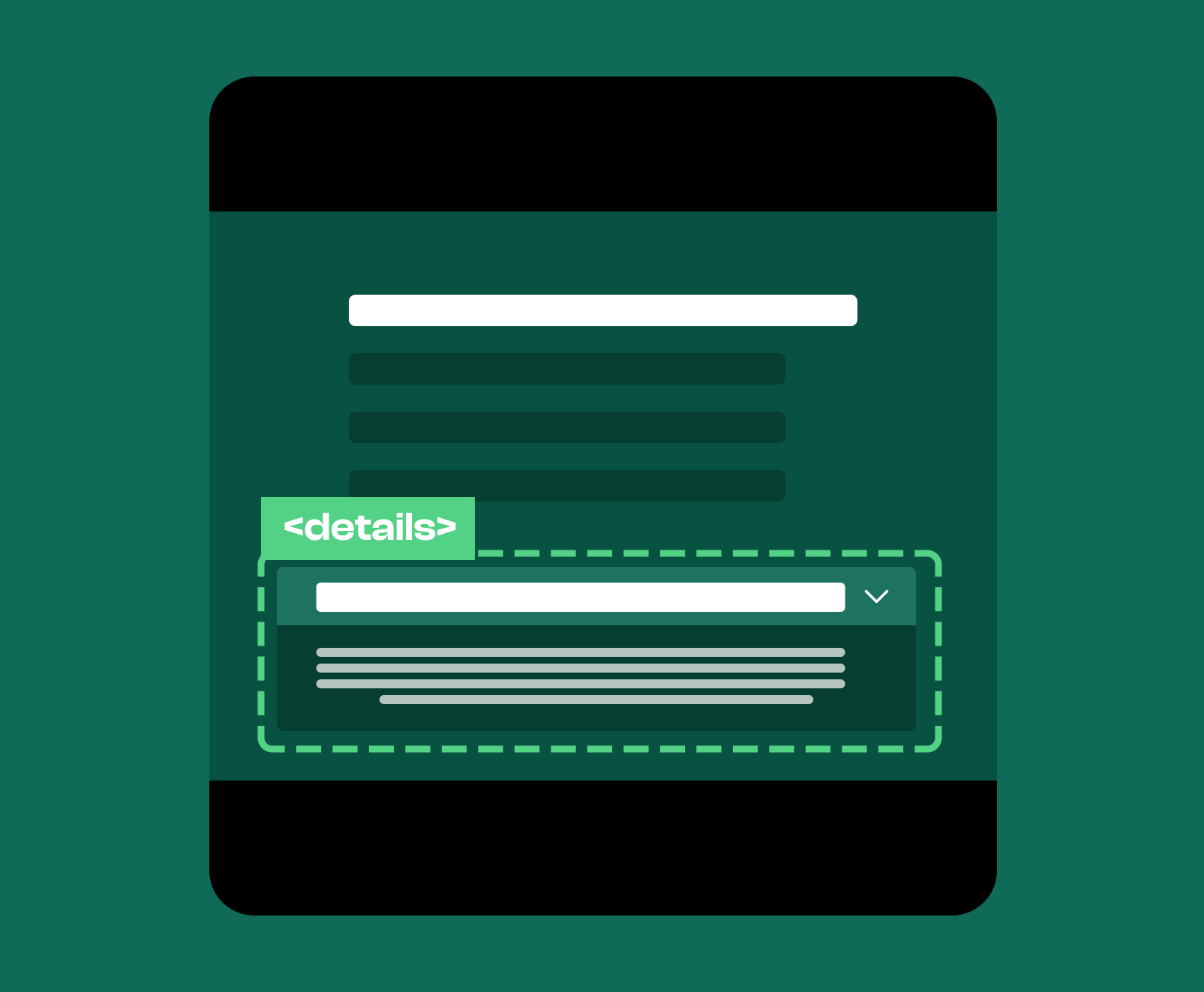
The details element is an element used to contain information that is hidden until a user decides to unhide it. You'll typically see features like FAQs, technical notes, policy disclosures and more being included in this element.
HTML <summary> Element
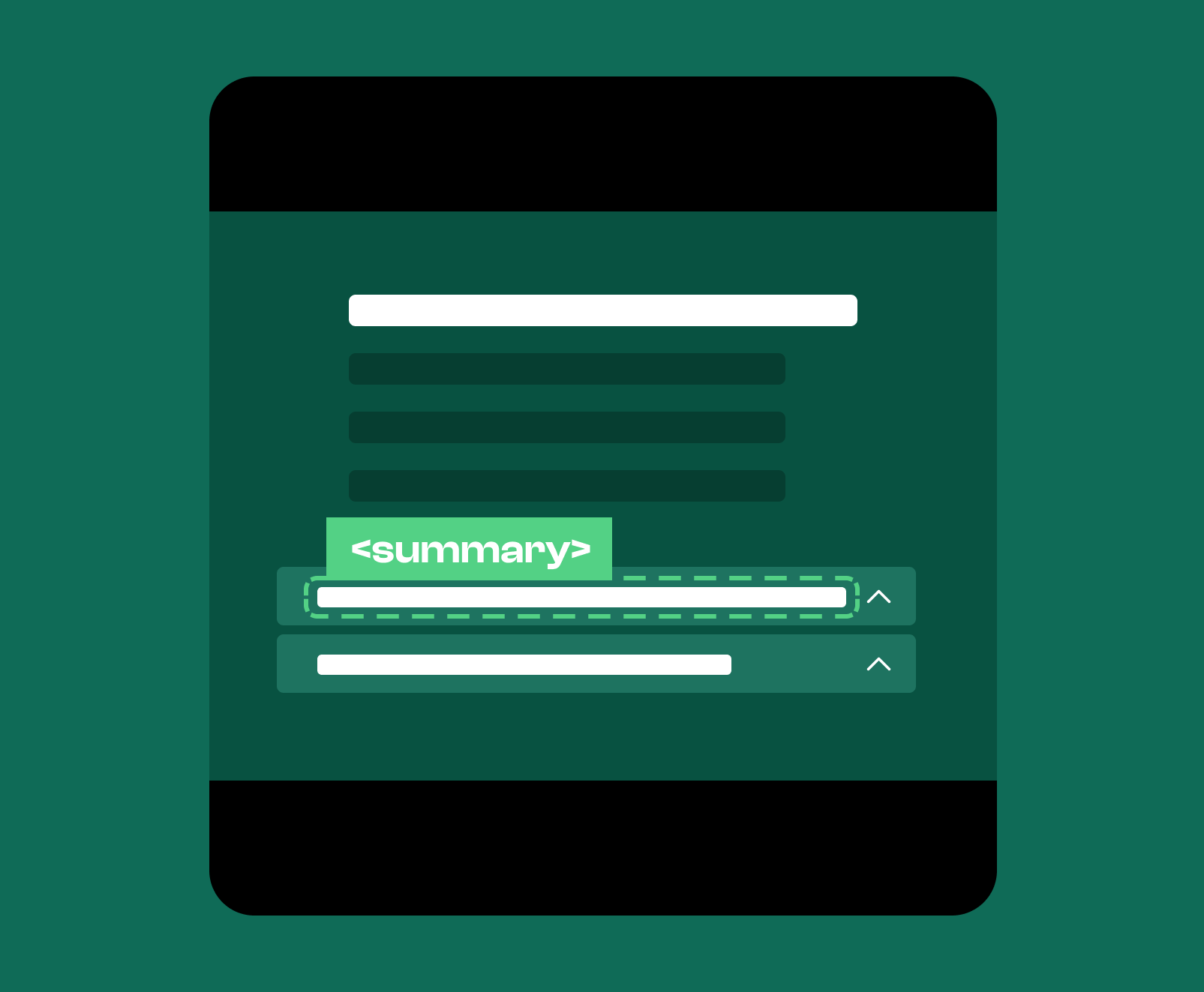
The summary element is simply the heading that informs the user what is being hidden by its parent details element. The summary tag literally summarizes what type of content the user will find should they decide expand that specific details element.
HTML <span> Element
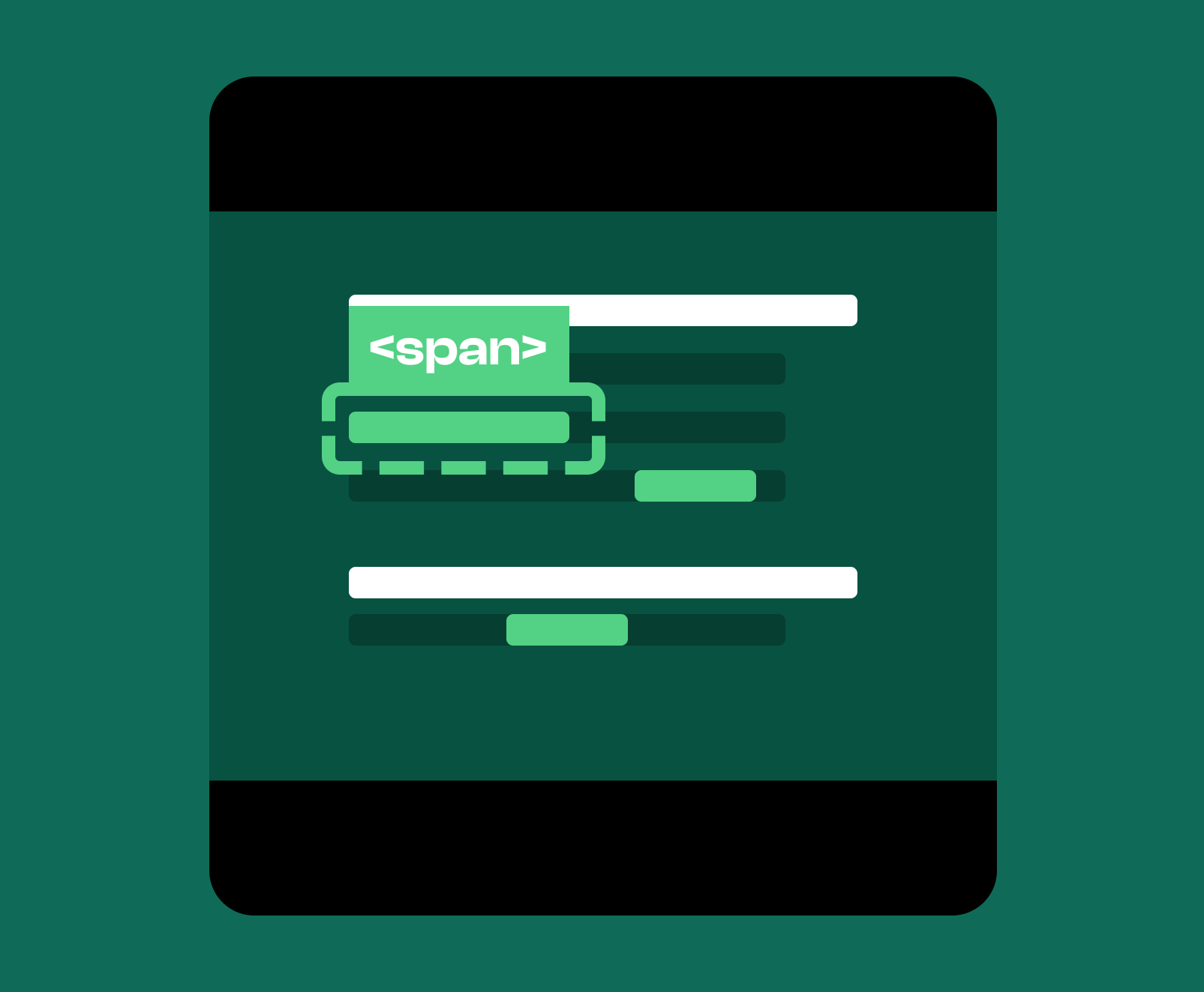
The span element preserves HTML structure while allowing you to design text distinctly. This element allows you to make certain text stand out while not forcing structural changes.
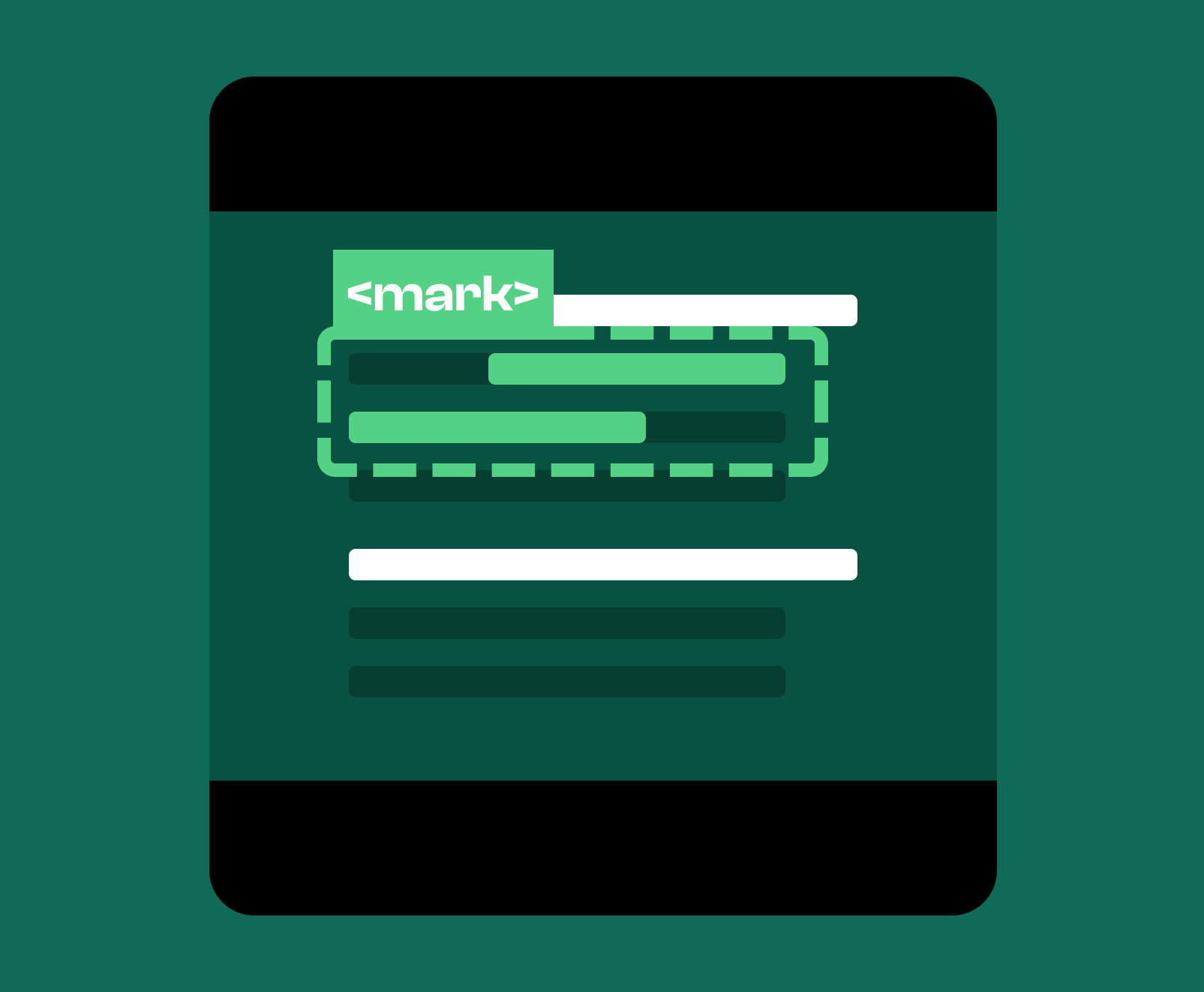
HTML <mark> Element
The mark element is used to increase relevance, and to help users understand the importance of text within the context of what is being read.
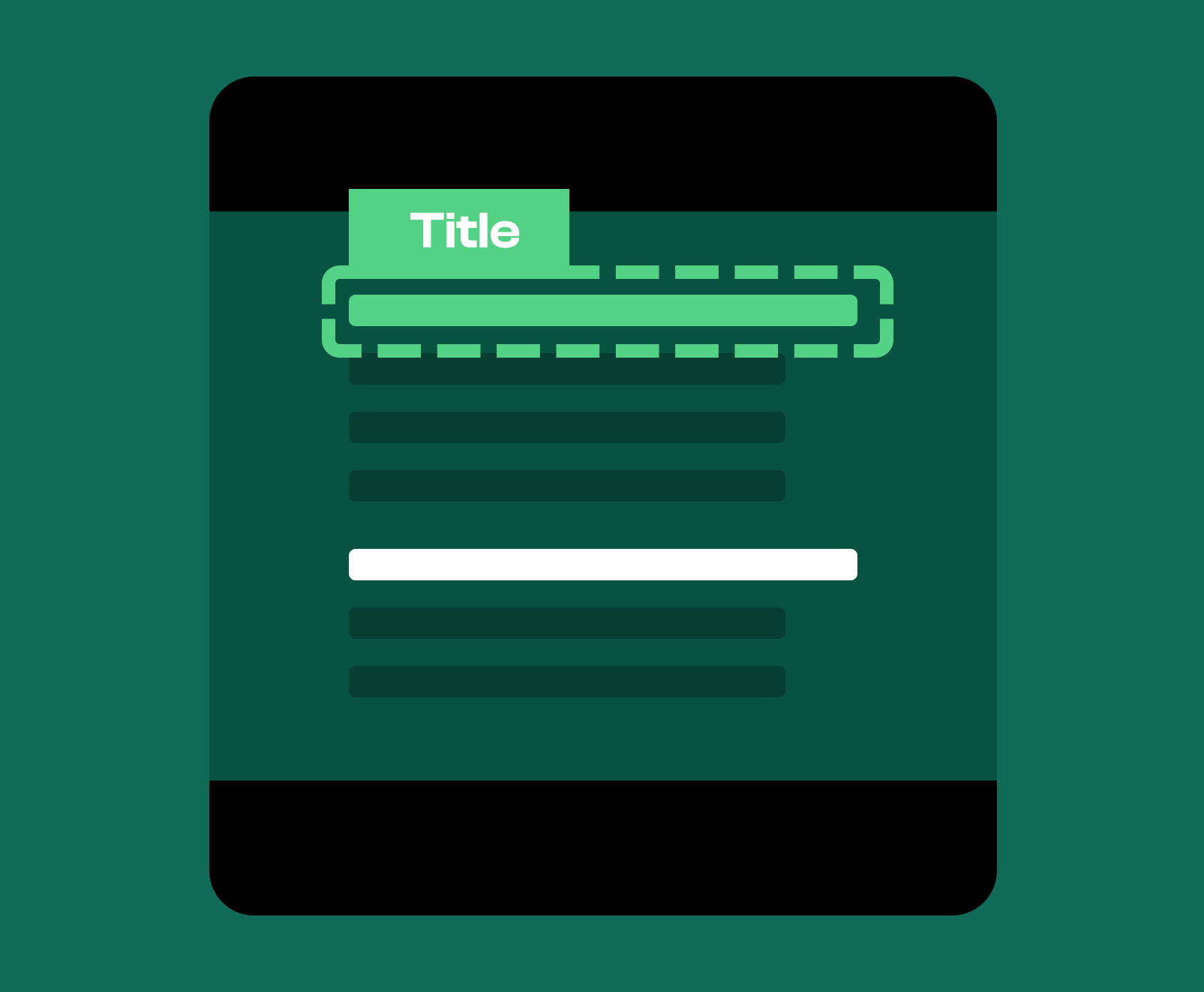
Semantic HTML Elements That Are Concepts Not Elements
Document Titles
Certain Semantic HTML concepts like document titles aren't actual title tags themselves, but concepts. Various SEO patents and literature describe the H1 as the 'title' of the web page. They determine relevance of the document based on the heading structures, and the content of the document 'title' or H1. So, while the primary heading on your pages is not technically a title tag like the one you'd fine in search results, it is the title of the contents on your page. Using the structures of your headings search determines your relevance.
What Are Semantic HTML Best Practices?
The best approach to semantic HTML is to use each element for its intended purpose and structure content logically. Define the hierarchy with meaningful headings. Avoid using semantic tags for visual styling alone. Ensure your markup accurately reflects the relationships between content blocks. Proper semantics support indexing, establish clear meaning, and provide a predictable pattern that search engines can rely on.
Why Semantic HTML Is Increasingly Important?
As AI-driven search systems become more dominant, the need for clean, structured, predictable markup continues to grow. Semantic HTML allows models to understand your content quickly and place it correctly within search results and AI-generated answers. Strong semantics serve as a foundation for advanced SEO practices, reinforcing intent, relevance, and clarity. In a search environment fueled by natural-language prompts and machine-generated summaries, semantic HTML has evolved from a development preference into a competitive advantage.
Utilize Our SEO Expertise To Improve Your Website
If you want help implementing semantic HTML or improving how search engines and AI understand your site, give us a call. We follow modern SEO principles and can make your website more structured, relevant, and aligned with what your audience expects.