How to Use the Mark HTML Element for Contextual Relevance and SEO Clarity
Technical SEO
Learn what the HTML span element does, where it should be used, and how it supports styling, scripting, and SEO without affecting document structure or layout.
Schedule a Call
The span element wraps small pieces of content without introducing structural meaning. Because there is no structural meaning provided, this element is primarily used for distinction. This helps provide a point of distinction developers can use to customize the text via scripting, design, or a variety of other methods while not impacting layout.
The span element can be used in any element that allows inline content. Some examples of these elements are <p>, <div>, <li>, all heading elements from <h1> to <h6>, <button>, <a>, and even table data, headers, and more.
On its own, the span element conveys no semantic meaning to search engines. It does not indicate importance, hierarchy, or even content type. However, when you combine it with attributes such as class, id, data attributes, or even ARIA labels, it can provide context signals that help with intent interpretation.
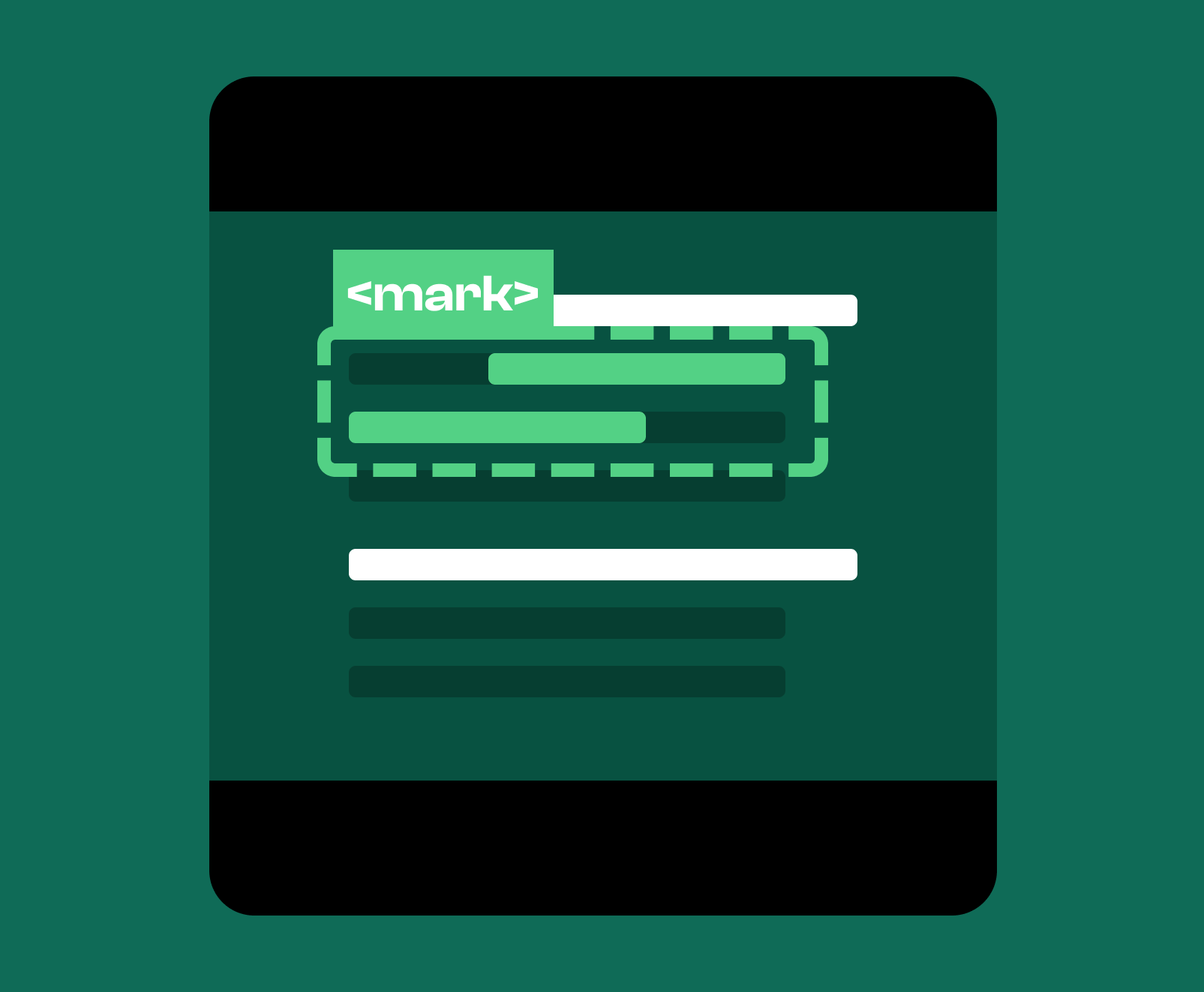
The span element can be used to create distinctive text that helps search engines identify and extract answers from content. When used intentionally alongside proper SEO, distinctive text can influence how relevance is evaluated during answer passage extraction. Google patents, such as Context Scoring for Adjustments for Answer Passages, describe how additional weight may be applied when properly marked text supports query answers, reinforcing relevance during content evaluation.
Span elements improve clarity by allowing specific words or phrases to be distinctly marked within a sentence. This visual distinction helps readers scan content more easily, and it also helps search engines isolate meaningful fragments when evaluating relevance and extracting answers from a page.
The span element preserves HTML structure. This element allows targeted styling without altering layout.
Semantic HTML elements define meaning and structure for crawlers and assistive technologies. Our semantic HTML guide explains how elements clarify document structure, improve accessibility, and support more accurate content interpretation. If your site needs structural or accessibility improvements, our SEO services address crawlability, semantics, and compliance.