How to Use the Mark HTML Element for Contextual Relevance and SEO Clarity
Technical SEO
Leverage Semantic HTML: Understanding the <main> element and how search engines utilize it when determining authority and rankability
Schedule a Call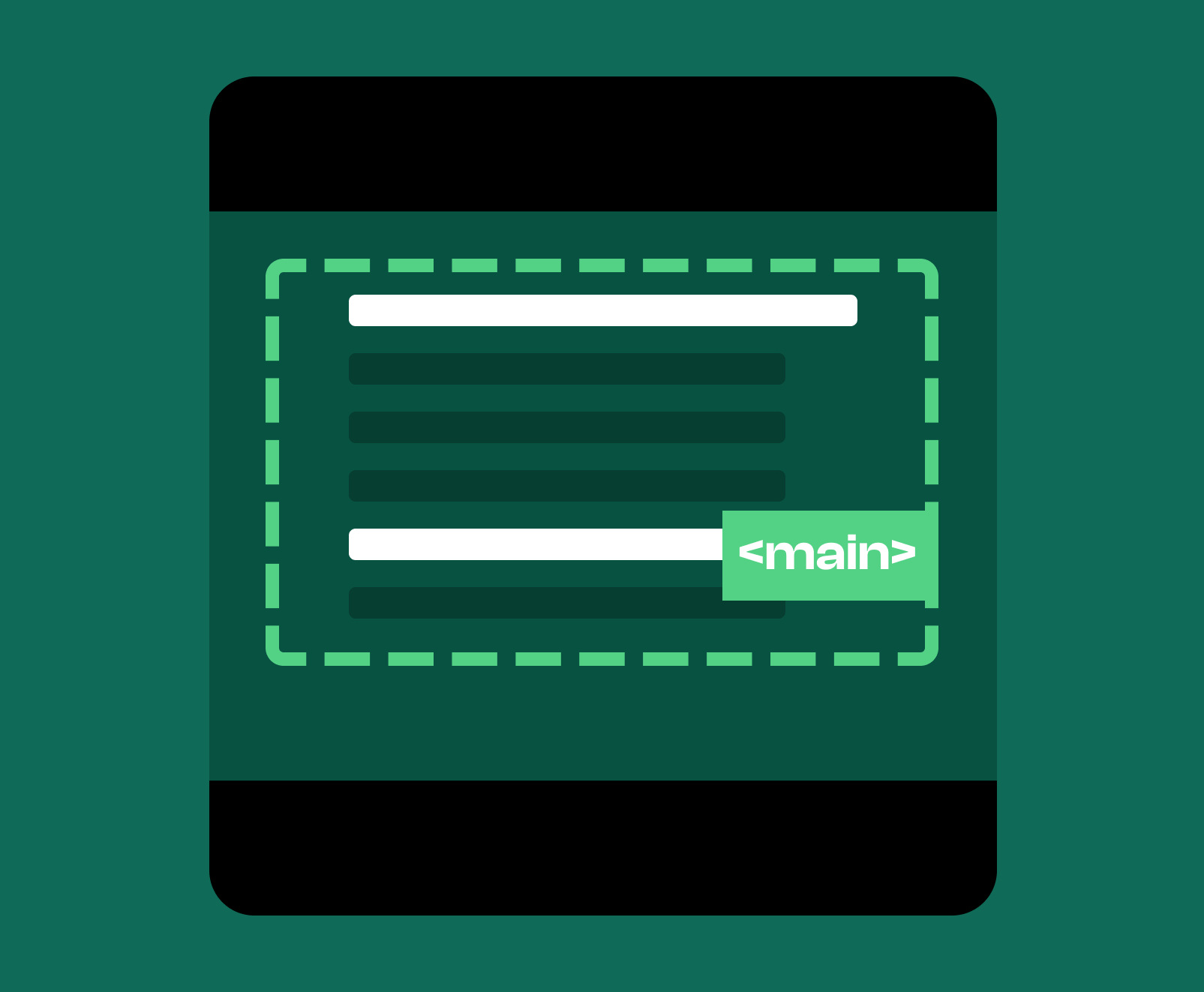
The main element identifies the central content of a page and represents the portion of the document that is unique to that specific URL. It acts as the anchor of meaning for both users and search engines, helping all systems understand which content is primary and which content is supplemental. By isolating the core content, the main element gives structure to the overall page and makes it easier for search engines to interpret relevance and purpose.
The main element is used once per page, and only once. It holds the content that reflects the reason the page exists. Everything placed within main should contribute directly to the primary topic, goal, or intent of that page. By restricting the main element to a single instance, you give search engines clear instructions about which content holds the most weight and deserves the most attention during evaluation.
To a search engine, the main element functions like a signal that says, this is the content that matters most. It distinguishes primary material from global navigation, repeated templates, and supporting interfaces. Modern search and AI systems rely heavily on structure to produce summaries, evaluate topical relevance, and understand the meaning of a page. A cleanly defined main element helps ensure that the core message of the page is correctly interpreted and ranked.
The main element should contain the content that search engines should consider when determining what the page is actually about. Content placed inside the main element should reflect the primary subject of the page. This includes the main headings, central explanations, essential information, and supporting details that would still make sense if viewed independently.
The content inside main should be strong enough to stand on its own as the defining explanation of the page’s topic. If a user or crawler skipped everything else, the material inside main should fully convey the value, meaning, and purpose of the document. This is the content that should rank, the content that should appear in summaries, and the content that distinguishes your page from others.
There are several categories of elements that should not appear inside the main element because they do not contribute to the unique purpose of the page. These items often relate to navigation, layout, templates, or supplementary information. Keeping them outside the main element ensures that search engines do not mistake them for primary content.
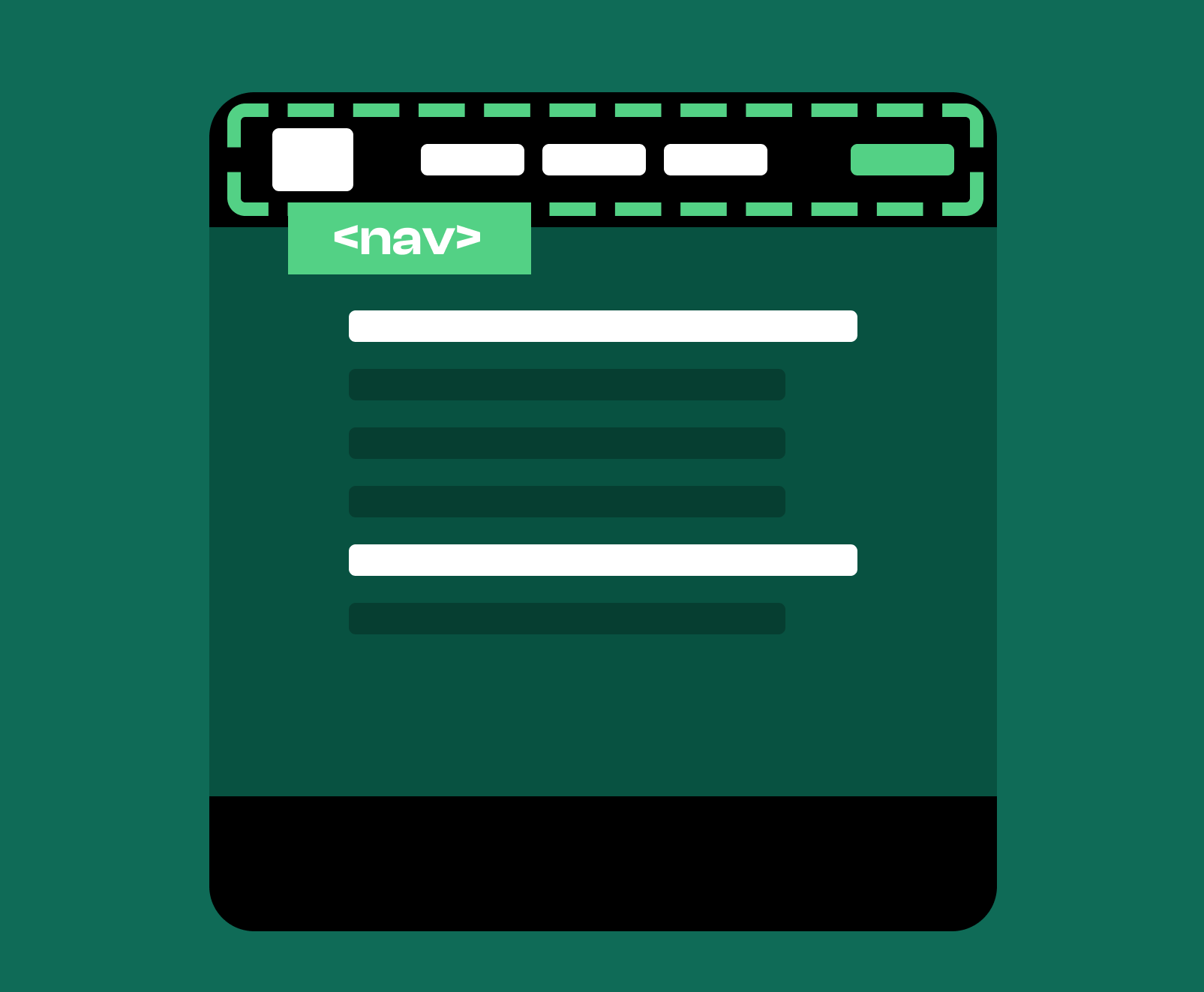
Elements used for navigating the broader site should remain outside main. Navigation is global, not page specific, so it does not belong inside the core content container.
Page headers and footers frame the entire document rather than represent the main content, so these should also not be included inside the main element. They help set context for the user but do not define what the page is primarily about.
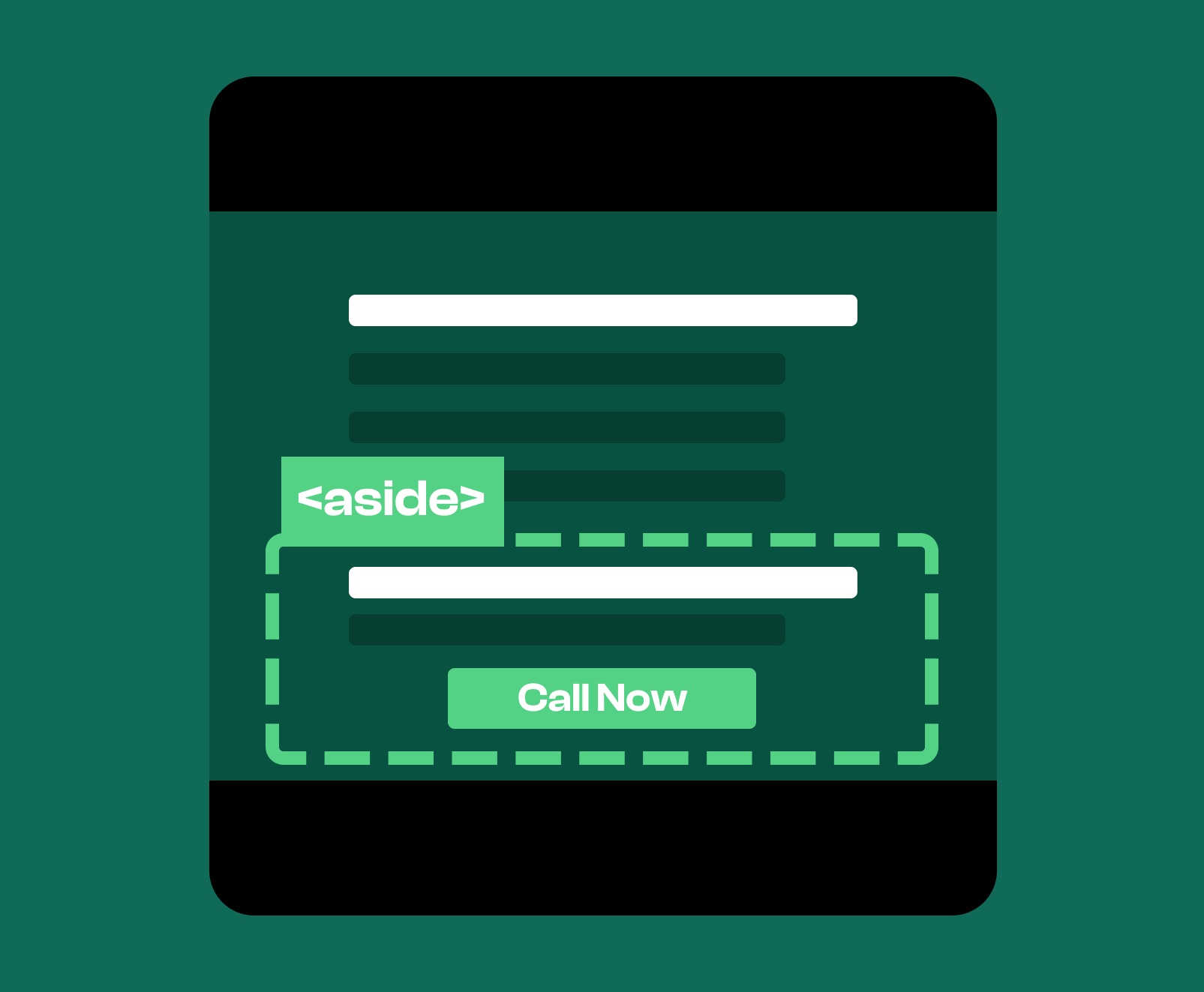
Repeated elements such as banners, calls to action, or reused layout blocks should not appear inside main. Anything that appears consistently across multiple pages should remain outside the primary content container.
Utility components such as alerts, login panels, settings, or status messages do not represent the core topic of the page and should not be placed in a main element.
Advertisements or embedded third-party modules should be kept separate from the main element to preserve the purity of your primary content and avoid confusing search engines about your page’s central purpose.