Conversion Rate Optimization is the practice of improving the percentage of users who take a desired action on your website. Whether that action is filling out a form, making a purchase, calling your business, or scheduling a consultation, CRO focuses on removing friction, improving user experience, and increasing the effectiveness of your messaging so users understand what to do and why they should do it. CRO is a systematic and data informed process that analyzes user behavior, identifies sticking points, and improves the design and content to eliminate those sticking points.
What Is a Conversion Rate
A conversion rate is the percentage of total visitors who complete a specific action on your website. A conversion is defined by the primary goal of the page. A conversion rate is calculated by dividing the number of conversions by the number of visitors and multiplying that value by one hundred. Conversion rates are important because they reveal how well your website communicates value and guides user behaviors. The higher the conversion rate, the more profitable the business or website will be.
What Is Conversion Rate Optimization
Conversion Rate Optimization is the process of improving how effectively your website convinces users to complete a goal. CRO is a data-heavy service that examines clarity, usability, message strength, hierarchy, customer journeys, and visual presentation. The goal of CRO is to understand what prevents users from acting so it can be fixed. There isn’t room for guessing when it comes to CRO. Using data and user engagement metrics you’re able to determine where sticking points are so they can be refined and improved to eliminate that friction. This can be in the form of heat maps, A/B testing, or any other variety of tools. More importantly, once improvements have been made, you can even use that same data to put real-world measurements behind your improvements. Every improvement is measured and validated using real user behavior and real data.
Why Is Conversion Rate Optimization Important
CRO increases the performance of every traffic source you already have. If your page converts poorly, additional traffic does not help. Optimization guarantees that the value of your existing users is maximized. CRO also improves user experience by making the actions you expect users to take more intuitive, while also smoothing out the user journeys by removing unnecessary steps. Studies show that when a website is easier to use and understand, engagement rises naturally. This is especially important for businesses that rely on lead generation or online sales. You often do not need more traffic. You need a website that communicates its offer more effectively.
Where Does CRO Apply
CRO can be applied to any page on a website that has purpose behind it. If you expect a user to gain something from the page, CRO applies. However, which actions you prioritize will depend from page to page. Landing pages benefit from CRO because they are often built for advertising and lead capture. Product pages benefit from CRO because users need enough clarity to trust what they are buying. Service pages benefit from CRO because users often need reassurance before trusting a company enough to make a purchase, schedule an estimate, etc. Blog pages can even benefit from CRO because they serve as entry points. In most cases blog pages will be the first time a user visits your website, so you should guide readers toward relevant next steps.
How Do You Measure Conversion Rates
Measuring conversion rates requires analytics tools that track user actions. Tools such as Google Analytics, server side analytics, and heatmaps record how users move through your website, as well as where they end their sessions, and which goals they are completing. Measuring conversion rates also requires identifying which metrics matter the most to your website and the types of conversions that matter most to your company. Primary conversion metrics include form submissions, purchases, calls, appointments, and other related actions. Secondary conversion metrics include engagement time, scroll depth, and interaction frequency. But, more technical metrics like page speed and layout stability matter as well because they influence how users behave on the page too.
Primary CRO Metrics
Primary CRO metrics are tied directly to the bottom line of a business. These types of metrics range from form submissions, purchases, sign-ups, downloads, or any other action that signifies a successful conversion.
Secondary Behavioral Metrics
Secondary metrics are more related to how users interact with your content. Metrics like user engagement time, bounce rates (how quickly users leave your pages), scroll depth, click targets, and interaction points all show the level of interest users have in your messaging, and the clarity therein. Secondary metrics are invaluable when it comes to diagnosing where friction is to arm you with the data required to eliminate it. When secondary metrics are improved, primary metrics improve naturally.
Technical Performance Metrics
CRO also requires that you improve technical metrics regarding how your actual website performs for each user. These metrics involve things like page speeds, layout shifts, and whether or not your website is responsive to all device types. If your website is lacking these technical refinements, your conversion rates will absolutely suffer as a direct result.
How To Improve Conversion Rates
You can optimize conversion rates by improving the strength and clarity of your messaging, your user journeys, and resolving any technical issues that hurt the user experience of your website. In doing these things, you will naturally improve conversions. Users convert when they understand what you offer, why it matters, and what they should do next. They do not convert when the page is confusing, visually overwhelming, unclear, or bogged down with technical issues. Optimization starts by studying user behavior to identify patterns of hesitation. Optimization starts when you analyze your website to discover where users typically leave your content, and work to understand why, while also making the necessary improvements to stop users from repeating that pattern.
Reducing Friction
Users leave pages that make taking action harder and more confusing than it needs to be. Reducing friction involves simplifying forms, removing unnecessary fields, improving load speed, and arranging content so users can effortlessly convert. The fewer obstacles users encounter, the more likely they are to convert.
Strengthening Clarity and Messaging
Clear messaging improves user understanding. When a user knows exactly what the offer is, why it is valuable, and what the next step should be, conversions naturally rise.
Improving Visual Hierarchy
Optimizing the visual hierarchy of your content helps instantly guide your users to content that matters most. Visual improvements help you utilize psychology to ensure the majority of users follow the path you design. By utilizing visual cues you’ll be able to take control of the order and the depth your users travel through your content so you can arm them to be prepared to convert. More than just guiding their journey, visual hierarchy also helps users understand distinctions between different sections, actions, and services. Whether the visual hierarchy is made clear through whitespace, typography, color, or structure, these conventions help you communicate to users without even speaking or typing a word.
Increasing User Trust
Trust elements such as testimonials, reviews, security indicators, certifications, emblems, awards, process explanations, and guarantees eliminate the doubt users might have, which would ordinarily prevent a conversion. Users convert when they feel safe. A page built to maximize trust provides proof of expertise and minimizes hesitation.
Optimizing Calls to Action
Optimizing calls to actions requires that a few things work together well. You need to ensure proper placement, color, messaging, and appearance. It should stand out from the other content on the page, be in a place where a user is already primed to convert, and also tell them clearly what action they will take. In addition, that action needs to make sense for the type of ‘next-step’ the user would expect.
The CRO Process
The CRO process is systematic. It begins with conversion-based analytics and behavior analysis, and continues with hypothesis development, validates improvements with testing, and ends with continuous refinement. CRO is not a one time task. It is an iterative cycle that evolves as user behavior changes and your business goals grow.
Crafting Compelling Calls To Action
One of the most important aspects of CRO is dialing in and crafting calls to action that actually drive users to take action. Whether the CTA is focused on growing your newsletter or your bottom line, you need to ensuring you create, test, and iterate. If you do these things, you will improve your conversions, guaranteed.
Research and User Behavior Analysis
Understanding the behavior of your users comes before making any changes. Heatmaps, scrollmaps, analytics, and recordings reveal where users hesitate, lose interest, or become confused. This stage uncovers the problems that need solving.
Hypothesis Development
After you’ve used third-party tools to measure and understand the data associated with user behaviors on your website, you can start to form your hypotheses regarding what improvements are needed. A hypothesis is a clear statement linking a problem to a potential solution. For example, if users are abandoning a form, a hypothesis might be that reducing the number of inputs users have to submit might decrease the number of users who quit prior to submitting the form.
A/B Testing and Experimentation
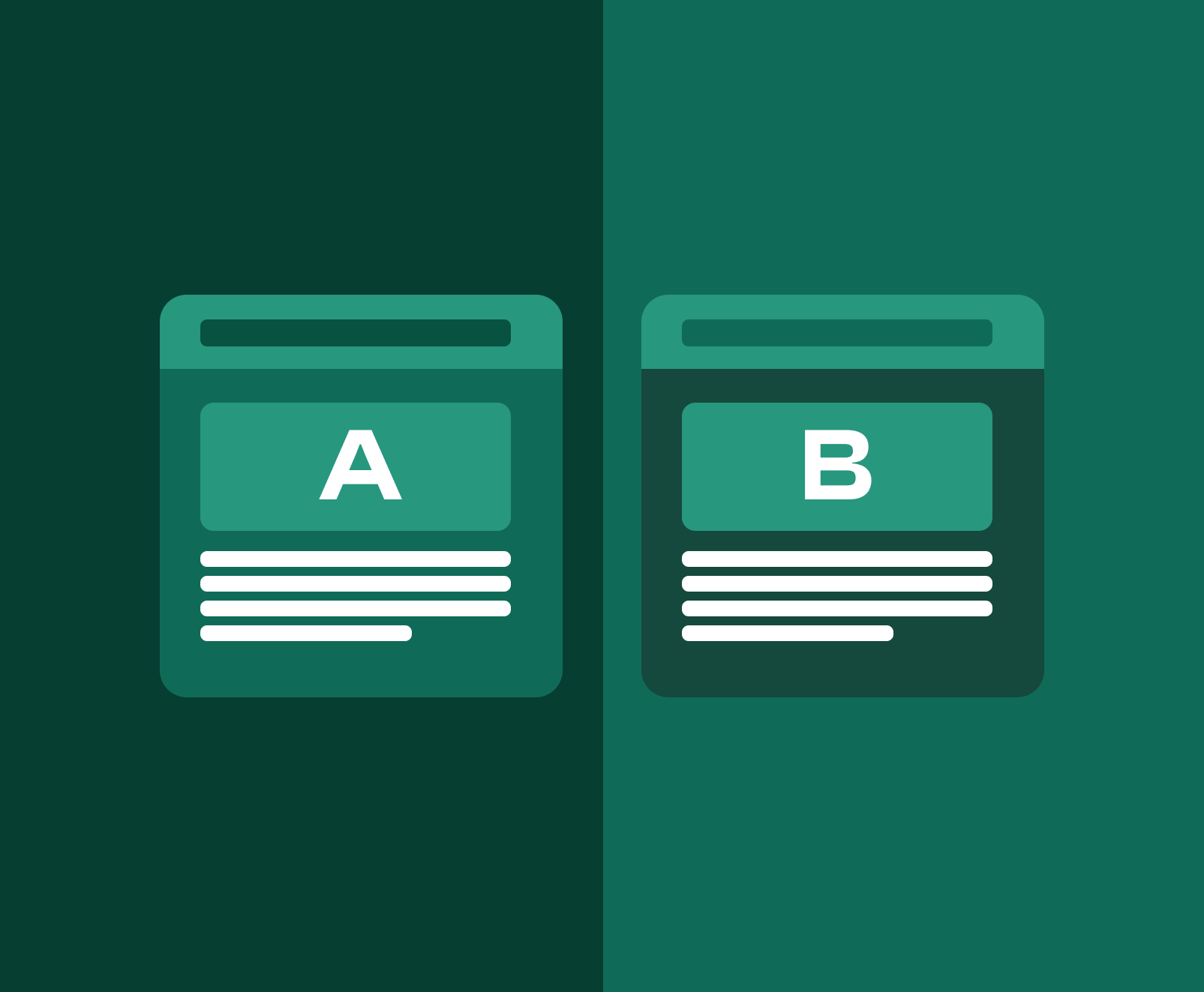
A/B testing confirms whether a change improves the conversion rate. Two versions of a page are tested with similar audiences. The version that produces more conversions becomes the default. This prevents guesswork and ensures that decisions are based on measurable performance. When changing the layouts or designs of your highest converting pages, always make sure to implement A/B testing. These tests will ensure each change you make has real user metrics behind it, verifying you are improving your income potential.
Multivariate Testing
Multivariate testing is similar to split testing (A/B testing), but it requires multiple variables are tested in a variety of combinations. It also requires significantly more traffic in order to adequately test all variant combinations. As long as the right variables are selected for testing, and there is enough inbound organic traffic, this form of testing offers much more insight and data than split testing does. But implementation and data interpretation are much more complex.
Iteration and Ongoing Optimization
CRO does not end when a test concludes. Every winning variation becomes the new baseline, and new improvements are continually introduced and tested. Over time, this iterative cycle produces significant growth in conversion rates. By far, this is the type of service that drives real, meaningful results for businesses.
CRO Tools and Methods
CRO uses tools that enhance understanding and measurement. Behavior tools show how users interact with your page. Testing tools allow you to use actual real-world data to show what improvements were made. Form tools reveal friction in the user input process. Performance tools show where technical issues harm conversions.
Heatmaps and Scrollmaps
Heatmaps reveal where users click, hover, and focus their attention. Scrollmaps show how far users scroll before leaving. These tools highlight which content matters and which content is ignored.
User Session Recordings
Recordings allow you to watch real users move through your site. They reveal points of confusion, friction, and distraction that may not appear in analytics.
Form Analysis
Form analytics show where users abandon forms. This helps identify unnecessary fields, confusing questions, or technical issues that prevent submission.
Conversion Rate Optimization Examples
CRO examples often include redesigning a CTA to improve clarity, simplifying the checkout process in an e-commerce store, rewriting a value proposition to make the offer more compelling, or reorganizing a layout to create a stronger visual hierarchy. Other examples include things like refining navigation to reduce drop off, improving mobile layouts for usability and clarity, or adjusting spacing to create more breathing room around key actions.
Average Conversion Rates for Common Page Types
Conversion rates vary depending on the purpose of the page, the strength of the offer, the friction in the user journey, and the audience type. The conversion rates for each page type will vary drastically depending on the industry, but these are common conversion rates for most industries.
Landing Pages
Landing pages are made specifically for the point of conversions, and the conversion rates for these page types can range from 2%-10%. High performing landing pages can convert even higher than 10% if the niche is especially strong in commercial intent.
Product Pages
Product page conversion rates range on average from 1%-5% depending on the quality of the messaging, clarity of the information, and the level of trust and social signals present on the page.
Blog Pages
Blogs convert far lower than direct sales pages because their primary purpose is informational content. These page types are more for piquing the interest of the user enough to explore more of your website. Typical conversion rates range from less than 1%-2% based on the topic covered in the blog, placement of CTAs, and relevance to the user’s original intent.
Service Pages
Service pages usually convert between 5%-15% depending on clarity, trust elements, location, and how well the service matches the user’s intent.
Common CRO Mistakes
Common mistakes include adding too much content above the fold, creating weak or unclear calls to action, writing long paragraphs that hide critical information, using inconsistent spacing, choosing visually noisy layouts, or relying on assumptions instead of user data when attempting to improve conversions. CRO mistakes usually happen when aesthetic decisions outweigh usability decisions.
Differences Between CRO and SEO
Search engine optimization helps users find your website by improving visibility in search engines. CRO helps users who are visiting your website to trust your website enough to take the actions that mean most to your end goals. Modern SEO techniques focus on ensuring users can discover you, while CRO focuses on ensuring users who discover your pages actually purchase your services, subscribe to your newsletter, or take any action required. While these services differ, they work together to create a complete strategy. Strong CRO increases the value of SEO because improved conversion rates make every visitor more meaningful. Strong SEO increases the value of CRO by providing a steady flow of users who engage with optimized pages.
Want Help Improving Your Conversion Rates
If you want to improve how effectively your website converts visitors into customers, as a Grand Rapids-based, award-winning web design company, we have the systems that can help you improve your conversions. We work with your company to refine messaging, structure, hierarchy, and user experience to ensure your pages communicate more clearly and lead users toward meaningful action. Schedule a call with us to learn how CRO can strengthen your business outcomes and improve the overall performance of your website.